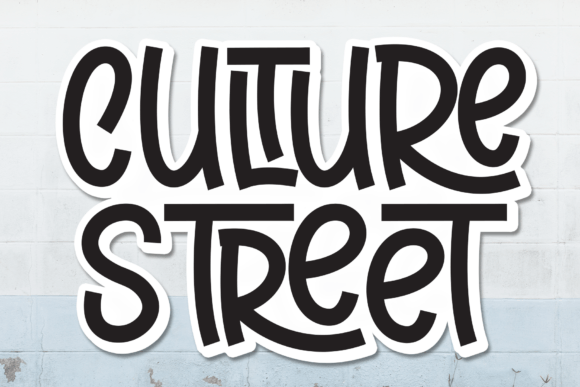
Culture Street: Elevating Design with Handwritten Elegance
In the rapidly evolving landscape of digital design, typography serves as more than just a vessel for text; it is the voice of a brand. Among the myriad of typefaces available today, Culture Street has emerged as a distinctive choice for creators seeking to bridge the gap between personal touch and professional polish. This stylish handwritten display font offers a clean and elegant look that resonates with modern aesthetic sensibilities while retaining the warmth of human craftsmanship. As businesses and individuals alike strive to stand out in crowded digital spaces, the demand for fonts that convey authenticity without sacrificing readability has never been higher.
The appeal of Culture Street lies in its ability to combine the charm of handwriting with a modern touch. Unlike traditional script fonts that can often appear overly ornate or difficult to read, this typeface maintains a streamlined structure. Its smooth curves and unique details add a cozy and classy vibe to any design, making it an versatile tool for a wide range of applications. From high-end branding to casual social media posts, the font adapts seamlessly to the context, ensuring that the message is not only seen but felt.
The Shift Toward Authentic Visual Communication
Over the past decade, there has been a noticeable shift in consumer preferences toward authenticity. Audiences are increasingly skeptical of overly corporate, sterile aesthetics. They crave connection, transparency, and a sense of humanity in the brands they support. This cultural shift has directly influenced design trends, leading to a resurgence of handwritten and organic typography. Culture Street fits perfectly into this narrative by offering a visual language that feels personal yet refined.
For marketers and entrepreneurs, understanding this trend is crucial. A logo or headline that looks like it was written by hand suggests care, attention to detail, and a human element behind the business. It breaks down the barrier between the creator and the consumer. However, the challenge has always been balancing this informality with professionalism. Many handwritten fonts lean too far into whimsy, losing their credibility in serious business contexts. Culture Street addresses this by maintaining a clean structure that ensures legibility and sophistication, allowing it to be used in professional settings without appearing amateurish.
Versatility Across Modern Design Workflows
One of the primary strengths of Culture Street is its versatility. In modern creative workflows, designers often need assets that can perform across multiple platforms and mediums. A font that works beautifully on a printed wedding invitation must also hold up on a mobile screen or a large-format poster. The design principles behind Culture Street ensure that it remains effective regardless of the medium.
- Logos and Branding: For boutique shops, cafes, and creative agencies, a logo needs to be memorable and distinctive. The unique details of Culture Street allow for the creation of logotypes that feel bespoke and tailored, helping new businesses establish a strong visual identity from day one.
- Invitations and Stationery: In the realm of event planning, the tone is set before the guest even arrives. Whether for weddings, corporate galas, or birthday parties, the elegant curves of this font add a layer of sophistication that plain sans-serifs cannot achieve.
- Social Media Graphics: With the dominance of visual platforms like Instagram and Pinterest, static graphics remain a powerful tool for engagement. Culture Street stands out in feeds cluttered with bold, blocky text, offering a moment of visual calm and elegance that draws the eye.
- Posters and Print Advertising: When used in larger formats, the smooth lines of the font retain their integrity, avoiding the pixelation or awkward spacing issues that plague lower-quality script fonts.
This adaptability makes it a valuable asset for freelancers and design agencies who need to deliver consistent quality across diverse client projects. By integrating Culture Street into their toolkit, designers can streamline their workflow, knowing they have a reliable option for projects that require a touch of class.
Enhancing User Experience Through Typography
Beyond aesthetics, typography plays a critical role in user experience (UX). Readability is paramount, especially in digital environments where attention spans are short. A common misconception is that handwritten fonts are inherently difficult to read. While this is true for many decorative scripts, Culture Street is designed with clarity in mind. The spacing between letters is optimized to prevent crowding, and the character shapes are distinct enough to be recognized quickly.
For bloggers and content creators, using a display font like Culture Street for headers and pull quotes can break up long blocks of text, making articles more scannable and engaging. It creates visual hierarchy, guiding the reader’s eye through the content in a natural flow. This practical application enhances the overall reading experience, keeping visitors on the page longer and reducing bounce rates.
Moreover, the emotional impact of typography should not be underestimated. The "cozy and classy vibe" mentioned in the font’s description is not just marketing speak; it is a psychological response to the visual cues provided by the typeface. Warm, rounded forms are generally perceived as friendly and approachable, while clean lines suggest reliability and order. Culture Street successfully merges these opposing qualities, creating a balanced emotional response that can enhance brand perception.
Practical Recommendations for Implementation
To get the most out of Culture Street, it is important to use it strategically. Like any powerful design element, it works best when used with intention. Here are some practical tips for integrating this font into your projects:
- Pairing with Complementary Fonts: Since Culture Street is a display font, it should not be used for body text. Pair it with a clean, neutral sans-serif or a classic serif font for paragraphs. This contrast highlights the beauty of the handwritten style while ensuring the main content remains easy to read.
- Mindful Use of Color: The elegance of Culture Street can be enhanced by thoughtful color choices. Soft pastels, deep navy, or classic black and white combinations work well. Avoid neon or overly saturated colors that might clash with the font’s sophisticated nature.
- Whitespace is Key: Handwritten fonts need room to breathe. Do not crowd the text. Ample whitespace around headings and logos allows the unique details and smooth curves to stand out, reinforcing the clean and elegant look.
- Contextual Appropriateness: While versatile, consider the tone of your message. Culture Street is ideal for lifestyle, fashion, food, and creative industries. It may be less suitable for highly technical, legal, or financial documents where strict formality is required.
By following these guidelines, users can ensure that their designs remain professional and effective. The goal is not to overwhelm the viewer with style, but to use style to enhance communication.
The Future of Handwritten Typography in Digital Spaces
As technology continues to advance, the line between digital and analog experiences blurs. High-resolution screens and advanced printing techniques allow for greater fidelity in reproducing the nuances of handwritten type. Culture Street represents the next generation of digital handwriting fonts—those that are optimized for screen rendering while preserving the organic imperfections that make handwriting appealing.
For educators and hobbyists, exploring fonts like Culture Street can also be a gateway to understanding broader design principles. It encourages an appreciation for letterforms, spacing, and composition. As more people engage in content creation, whether for personal blogs or small businesses, having access to high-quality, versatile typography empowers them to produce professional-grade work without extensive design training.
In conclusion, Culture Street is more than just a font; it is a design solution for the modern creator. It addresses the need for authenticity, versatility, and elegance in a digital world that often feels cold and impersonal. By combining the charm of handwriting with a modern touch, it offers a unique way to connect with audiences on a deeper level. Whether you are designing a logo, crafting an invitation, or curating social media content, this typeface provides the tools to create designs that are not only visually striking but also emotionally resonant. As design trends continue to evolve, the demand for such balanced, human-centric typography is likely to grow, making Culture Street a timeless addition to any creative portfolio.